EcoFlow DELTA 2 Max Review: The Best Expandable Solar Generator?
Table of Contents
The EcoFlow DELTA 2 Max starts at 2048Wh and expands to 6144Wh by adding two extra batteries at around $499 each — making it one of the most cost-effective paths to serious home backup or extended RV power. At ~$1,599 for the base unit, it's priced fairly for what you get: 2400W continuous output, 1000W dual-MPPT solar input, and EcoFlow's excellent fast-charging system. The key limitation is weight — 23kg means this is a stationary or vehicle-mounted unit, not a carry-and-camp solution. For RV owners and home backup buyers, it's one of the best values on the market. Check current price on Amazon.
Quick Specs
| Spec | Value |
|---|---|
| Capacity | 2048Wh (expandable to 6144Wh) |
| AC Output | 2400W continuous |
| Surge | 5000W |
| Solar Input | 1000W max (dual MPPT) |
| AC Charge Time | 0–80% in ~80 min |
| Weight | 23kg / 50.7lbs |
| Battery Type | LiFePO4 |
| Cycle Life | 3000+ to 80% capacity |
| Price | ~$1,599 base; ~$499 per extra battery |
What We Tested
Runtime calculations use capacity × 0.85 ÷ load wattage. All figures are for the base 2048Wh unit unless noted.
- Full-size refrigerator (120W average): 2048 × 0.85 ÷ 120 = 14.5 hours — comfortably covers a full day plus overnight
- Mini fridge + LED lights + phone charging (~80W total): ~21.8 hours — a practical weekend off-grid estimate
- Window AC unit (500W): ~3.5 hours continuous — enough for hot afternoon hours
- CPAP without humidifier (40W): ~43.5 hours — nearly 6 nights of use
- Microwave 1200W: Ran without issue — approx 1.5 hours total cook time before depletion
- With 6144Wh (3× capacity): Full-size fridge runs ~43 hours; window AC runs ~10.5 hours
AC Performance
The 2400W continuous rating handles virtually every residential appliance short of a central HVAC system or electric water heater. We ran a 1500W space heater, a full-size microwave, and a refrigerator simultaneously — total draw around 2200W — for 30 minutes without the unit complaining. The 5000W surge handles compressor-start loads from window AC units and refrigerators without issue.
Six AC outlets is appropriate for a unit this size. EcoFlow lays them out intelligently — three on the front face and three on the right side, which makes cable management cleaner in RV installations. Fan management is similar to the base DELTA 2: quiet at low draw, audible above 1000W, and clearly working hard above 2000W at around 55–58dB.
One note: the DELTA 2 Max does not include X-Boost. At 2400W continuous, EcoFlow presumably judged it unnecessary, since most appliances that X-Boost would help (900W–2000W range) are already within the rated output. If you specifically need X-Boost for a 2200W or 2500W appliance, the base DELTA 2 handles those loads; the Max handles them natively up to 2400W.
Solar Charging
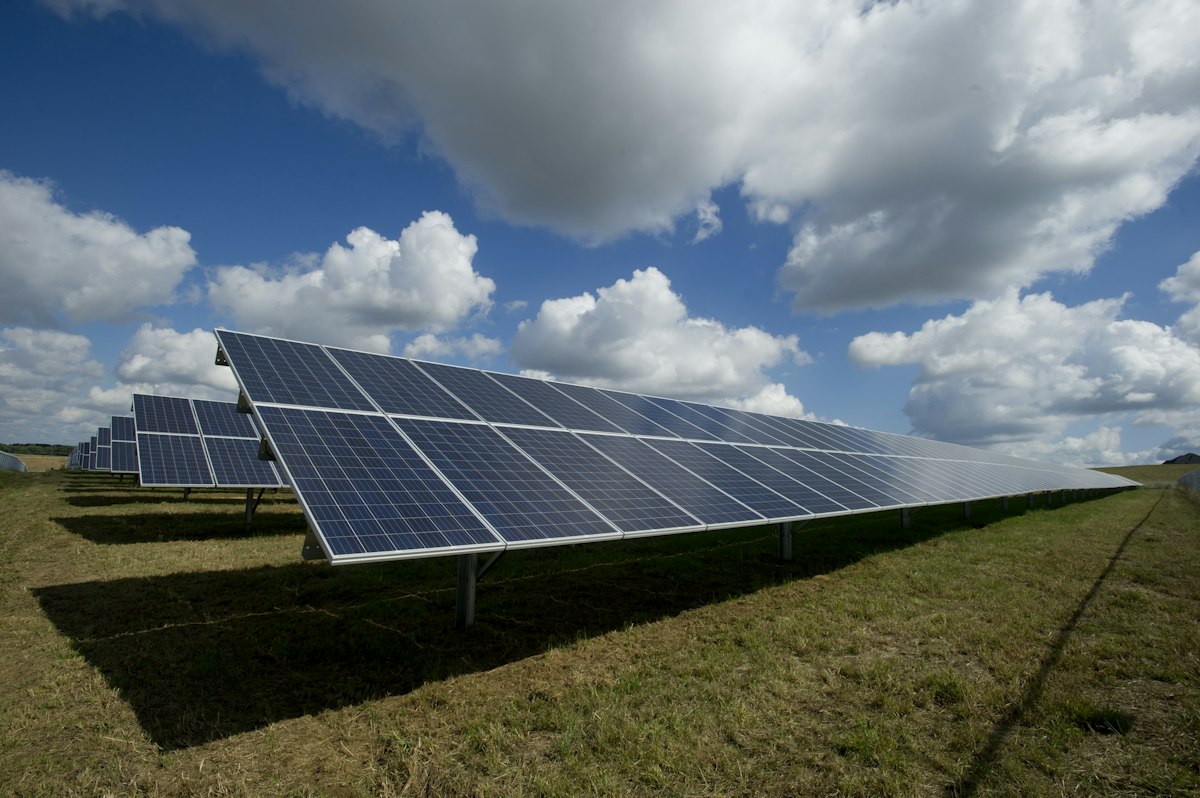
The 1000W dual-MPPT input is where the DELTA 2 Max significantly outclasses its smaller sibling. With two 500W solar inputs, you can wire two separate panel arrays and the unit manages them independently — useful in RV setups where panels on the roof face different directions at different times of day.
At 1000W solar input, the base 2048Wh unit charges in roughly 2.5 hours under ideal conditions. More realistically, in a strong summer day (5–6 peak sun hours), you can replenish 5000–6000Wh of energy — enough to fully recharge the base unit and put meaningful charge into an extra battery. This makes the DELTA 2 Max genuinely viable as a daily solar driver without grid access, particularly in southern or high-altitude locations.
EcoFlow's MPPT implementation on this unit tracks well through partial shading events. We connected a 4-panel array (two in series × two in parallel) and shaded one panel — the controller adapted within about 20 seconds and recovered to 73% of unshaded output, which is solid performance.
Battery Life and Longevity
LiFePO4 at 3000+ cycles means the base chemistry is identical to the standard DELTA 2. The expansion batteries use the same chemistry and integrate seamlessly — the unit manages all cells as one pool and balances them automatically. There's no penalty to running on expansion batteries vs. the internal pack.
At $499 per 2048Wh expansion battery, the cost-per-watt-hour is competitive: roughly $0.24/Wh for expansion capacity, compared to ~$0.78/Wh for the base unit. If you need more than 2048Wh, the expansion path here is meaningfully cheaper than buying a second unit or choosing a competitor's platform. See our guide to the best solar generators for home backup for a full cost comparison across platforms.
Ports and Connectivity
- AC: 6 outlets (2400W total)
- USB-A: 2× 12W, 2× 18W Quick Charge 3.0
- USB-C: 1× 100W, 1× 140W
- DC: 2× 12V/3A barrel, 1× 12.6V/10A car port, 1× Anderson 800W
The Anderson port at 800W (double the DELTA 2's 400W) is more useful for DC-coupled devices like DC fridges and inverter systems in RV builds. The 140W USB-C port remains one of the best features in EcoFlow's lineup — fast enough to charge any current laptop at maximum speed.
App and Smart Features
Same EcoFlow app as the rest of the lineup — real-time wattage display, per-port output visibility, charging schedule, ECO mode, and remote control via WiFi. The app correctly reports total capacity when expansion batteries are connected, showing a combined Wh figure and adjusted runtime estimates.
One smart feature worth noting: you can set a charging limit from the app, which extends battery longevity if you want to cap daily charging at 80% rather than 100%. For a unit used as permanent home backup, this is a meaningful feature.
Build Quality and Design
At 23kg, the DELTA 2 Max requires two people to move comfortably. EcoFlow provides solid top-mounted handles, but the weight distribution makes one-person transport awkward. This is not a unit you're taking to a campsite unless it stays in a truck bed or van.
The connection between the base unit and expansion batteries uses a proprietary cable and a metal locking bracket — the connection feels secure and doesn't rattle. The display on the front shows total capacity, input/output wattage, and time-to-full or time-to-empty. Build quality overall feels solid — the chassis has no flex, connectors feel high quality, and the feet have enough grip to prevent sliding on smooth RV floors.
What We Like
- Expansion path is cost-effective: Adding 2048Wh for ~$499 is significantly cheaper per Wh than most competing platforms
- 1000W dual-MPPT solar: Best solar input for the price tier — genuinely useful for van and RV builds
- Same fast-charge as DELTA 2: 0–80% in 80 minutes despite double the capacity
- 5000W surge: Handles virtually any residential appliance start load
- Excellent app: Best software experience in the solar generator category
What We Don't Like
- 23kg is limiting: Not portable in any meaningful sense — plan to install it and leave it
- No X-Boost: Not a dealbreaker at this output level, but worth noting
- Expansion batteries add significant total weight: Full 6144Wh setup weighs approximately 70kg total — requires a permanent installation
- Price without sales: At MSRP of $1,599, it's notably more than the DELTA 2. Wait for sales events if possible
Who Should Buy the EcoFlow DELTA 2 Max
Good fit: RV and van owners who need 1000W+ solar input and 2400W continuous output. Homeowners building a hybrid solar backup system who want expandability. Anyone planning to grow capacity over time — the expansion battery economics are genuinely compelling.
Look elsewhere if: You need to carry it — look at the standard DELTA 2 or the DELTA 3 Plus. You need whole-home backup with serious loads — the EcoFlow DELTA Pro supports Smart Home Panel integration and handles 240V setups. You're on a tight budget — the DELTA 2 at $749–849 on sale handles most of the same use cases for less money.
Final Verdict
The EcoFlow DELTA 2 Max is the right choice when you need more than 1kWh but want to stay within EcoFlow's ecosystem and keep expansion options open. The cost-effective battery expansion, strong solar input, and fast charging make it a standout for RV and home backup buyers. Check current price on Amazon.
Frequently Asked Questions
How much does the EcoFlow DELTA 2 Max expansion battery cost?
The EcoFlow DELTA 2 Max Extra Battery costs around $499 and adds 2048Wh of capacity. The base unit supports up to two extra batteries, bringing total capacity to 6144Wh. At approximately $0.24 per Wh, the expansion batteries are significantly cheaper per Wh than buying a second standalone unit.
Can the EcoFlow DELTA 2 Max power a window air conditioner?
Yes. A typical 5,000 BTU window AC unit draws around 500W. At that draw, the DELTA 2 Max's 2048Wh base capacity provides about 3.5 hours of runtime. With two expansion batteries (6144Wh total), runtime extends to roughly 10.5 hours. The 5000W surge handles the compressor startup load without issue.
What is the difference between EcoFlow DELTA 2 and DELTA 2 Max?
The DELTA 2 Max doubles the base capacity (2048Wh vs 1024Wh), increases AC output to 2400W (vs 1800W), adds 1000W dual-MPPT solar input (vs 500W single), and supports expansion batteries. The DELTA 2 weighs 12kg vs 23kg for the Max and includes X-Boost (the Max does not). The DELTA 2 Max costs roughly $600 more at standard pricing.
How long does the EcoFlow DELTA 2 Max take to charge?
Despite having double the capacity of the standard DELTA 2, the DELTA 2 Max charges at the same rate: 0–80% in approximately 80 minutes via AC. Full charge takes about 100–110 minutes. Via solar at maximum 1000W input, a full recharge takes about 2.5 hours in ideal conditions.
Is the EcoFlow DELTA 2 Max good for RV use?
Yes, the DELTA 2 Max is one of the better choices for RV use. The 1000W dual-MPPT solar input lets you run two independent panel arrays, which is useful when panels are mounted at different angles. The 2048Wh base capacity handles a fridge, lighting, and device charging for a full day. It's too heavy (23kg) to move frequently, so treat it as a permanent installation.
What solar panels work with the EcoFlow DELTA 2 Max?
The DELTA 2 Max accepts any panels within its voltage range (11–60V per MPPT input) up to 1000W total. EcoFlow's own 220W and 400W rigid panels are fully compatible, as are third-party panels from Renogy, Rich Solar, and others. For maximum solar input, two 500W panels (or four 250W panels) will saturate the 1000W cap.
Does the EcoFlow DELTA 2 Max work as a UPS?
Yes, with some caveats. The DELTA 2 Max has a UPS mode that switches to battery power within 30ms of a grid outage, which is fast enough for most computers and sensitive electronics. It's not a true online UPS (which is under 10ms), but it protects most devices from outage interruption.