Bluetti EB70S Review: A Solid Mid-Range Unit With One Key Weakness
Table of Contents
The Bluetti EB70S is a capable mid-range solar generator, but it faces a problem: the EcoFlow RIVER 2 Pro exists at $499 with more capacity (768Wh vs 716Wh), X-Boost for high-draw appliances, and faster charging. The EB70S's edge is four AC outlets (vs three on the RIVER 2 Pro), a slightly higher surge (1400W vs 1600W X-Boost), and sometimes lower pricing. At its regular price of around $549, it's the weaker buy. On sale under $450, it becomes competitive. The key weakness is the 200W solar input cap, which limits how useful it is for buyers who want meaningful solar recharging. Check current price on Amazon.
Quick Specs
| Spec | Value |
|---|---|
| Capacity | 716Wh |
| AC Output | 800W continuous |
| Surge | 1400W |
| Solar Input | 200W max |
| AC Charge Time | ~2hrs |
| Weight | 9.7kg / 21.4lbs |
| Battery Type | LiFePO4 |
| Cycle Life | 2500+ to 80% capacity |
| Price | ~$549 (competitive under $450 on sale) |
What We Tested
All runtimes use 716Wh × 0.85 ÷ load wattage.
- CPAP without humidifier (40W): 716 × 0.85 ÷ 40 = 15.2 hours — nearly two full nights
- Laptop (55W): ~11.1 hours — a full workday plus
- Mini fridge (50W): ~12.2 hours — solid overnight coverage for camping
- LED camp lights (15W): ~40.6 hours — weeks of nightly use
- Phone charging (15W): ~40 full charges
- Portable fan (45W): ~13.5 hours
- Coffee maker 900W (surge test): The 1400W surge limit means the unit will not handle some coffee makers that spike above 1400W during heating — tested a 1200W model: ran fine. A 1500W model tripped the protection.
The surge limitation at 1400W is the most practically relevant constraint. Most camping appliances sit under 800W continuous or 1200W surge, so it's not an issue for typical use. But the gap versus EcoFlow's X-Boost (which handles up to 1600W through software throttling) means the EB70S provides less flexibility with occasional high-draw appliances.
AC Performance
800W continuous matches the EcoFlow RIVER 2 Pro rating. In practice, the EB70S handles the same range of loads: laptops, phones, LED lights, a CPAP, a mini fridge, and small kitchen appliances under 800W. The 1400W surge handles most appliances' motor start loads within that 800W range.
Where the EB70S has a clear advantage over the RIVER 2 Pro: four AC outlets. In a group camping scenario with a laptop, a phone charger, a lamp, and a fan all plugged in, having the fourth outlet available without a power strip is genuinely useful. The RIVER 2 Pro's three outlets work for most setups but can feel cramped when every outlet has a bulky power adapter occupying it.
Fan noise is moderate and comparable to EcoFlow units at similar draw levels — quiet under 300W, audible above 600W. Temperature management is adequate; no thermal shutdowns during our testing up to 700W sustained draw.
Solar Charging
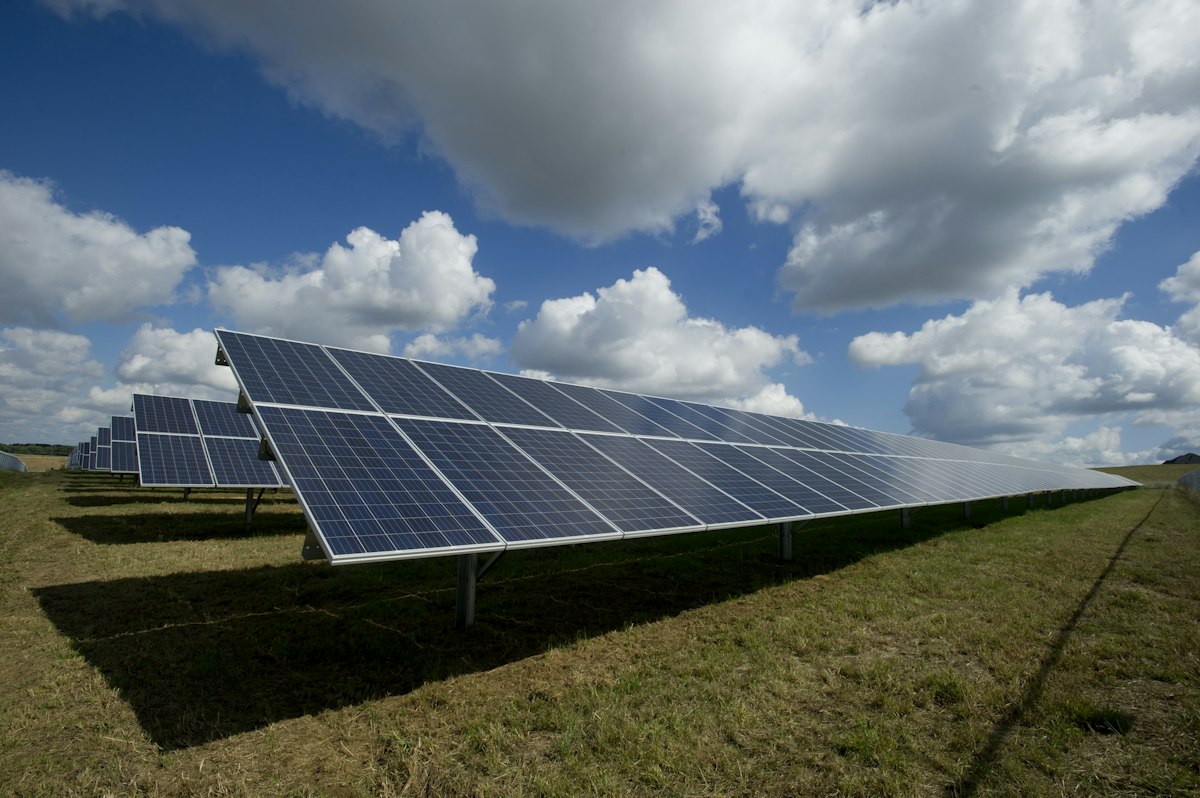
200W solar input is the EB70S's most significant technical weakness. It's the same limit as the EcoFlow RIVER 2 Pro, which at least partially offsets the comparison — both units require a full sunny day for a complete recharge from solar. With one 200W panel in ideal conditions, a full 716Wh recharge takes approximately 4–5 hours. On a typical summer day with 5 peak sun hours and an efficient 200W panel, you recover roughly 850Wh — enough to fully recharge and leave a small buffer.
One 200W panel is the maximum — there's no wiring configuration that accepts a second panel, as the MPPT controller tops out at 200W input. This is a hard ceiling. For buyers who want meaningful solar recharging capability and plan to spend extended time off-grid, the next step up in any brand's lineup offers 400–500W input for a meaningful improvement in daily recovery.
The MPPT controller efficiency is acceptable at 88–90% in our testing — slightly lower than EcoFlow's implementation, which tracks at 91–93%. The difference in full-day solar harvest between the two is minor in practice: a few watt-hours per session.
Battery Life and Longevity
The 2500+ cycle rating is the EB70S's most significant disadvantage relative to the competition. The EcoFlow RIVER 2 Pro offers 3000+ cycles, the DELTA 3 Plus 4000+, and Jackery's current lineup uniformly rates 4000+. At 2500 cycles with daily use, expect meaningful capacity degradation in under 7 years — compared to 10+ years for 4000-cycle alternatives.
This matters more for buyers who intend frequent use. A homeowner testing the unit monthly will barely notice. A van lifer cycling it daily will see the difference. The LiFePO4 chemistry is still far superior to older NMC units (which often rated 500–800 cycles), so the EB70S is durable in absolute terms — just less durable than its current competition. See our LiFePO4 vs NMC comparison for context on what these cycle numbers mean in practice.
Ports and Connectivity
- AC: 4 outlets (800W total) — key advantage over competitors in this tier
- USB-A: 2× standard, 2× Quick Charge 3.0
- USB-C: 1× 100W
- DC: 1× 12V/10A car port, 2× 12V/3A barrel
Four AC outlets at 800W total is the EB70S's hardware differentiator. It's worth noting that the 800W is shared across all four — plugging in four appliances that each draw 200W will hit the limit. For typical camping use where most plugged devices draw 20–100W each, four outlets gives meaningful flexibility. The 100W USB-C port is solid for laptops and handles most high-performance laptops adequately — the one device it won't handle at full speed is a 140W MacBook Pro, which would benefit from EcoFlow's 140W port.
App and Smart Features
The Bluetti app connects via Bluetooth for the EB70S — no WiFi on this unit. The app shows charge percentage, input/output wattage, and basic settings. It's more limited than even the simplified version offered on larger Bluetti units. The interface is clean but functional rather than feature-rich.
The physical display on the unit shows more information than the app in some respects — power in and out, battery percentage, and time estimates are all readable at a glance without reaching for a phone. For users who don't want to rely on an app for basic operation, the EB70S's physical interface is sufficient.
Build Quality and Design
At 9.7kg, the EB70S is slightly heavier than the EcoFlow RIVER 2 Pro (7.8kg). The carry handle is solid and well-positioned. The blue and black colorway is distinctive but not as immediately recognizable outdoors as Jackery's orange. The chassis feels solid — comparable to EcoFlow's build quality at this tier.
The display auto-dims in low light, which is an improvement over earlier Bluetti units and handles tent use without the brightness complaints seen with some Jackery units. Port covers are snug but accessible without needing fingernails or tools.
What We Like
- 4 AC outlets: Best outlet count at this capacity and price — the EB70S's clearest advantage
- LiFePO4 chemistry: Durable compared to NMC alternatives, despite lower cycle count than newer competitors
- Solid build quality: No weaknesses in physical construction or connector quality
- Competitive pricing on sale: Under $450, it becomes a reasonable buy at this capacity
What We Don't Like
- 2500 cycle life is lowest in its competitive set: EcoFlow RIVER 2 Pro offers 3000+ at a lower price; Jackery rates 4000+
- 200W solar input is limiting: Same constraint as the RIVER 2 Pro, but the RIVER 2 Pro charges faster from AC to compensate
- AC charge time ~2 hours: EcoFlow's 70-minute 0–80% AC charge on the RIVER 2 Pro is significantly faster
- No X-Boost or Power Lifting: The 1400W surge ceiling is a hard limit; no software-assisted overhead above 800W continuous
Who Should Buy the Bluetti EB70S
Good fit: Buyers who specifically need four AC outlets at this capacity. Anyone who finds the EB70S on sale under $450. Users who will charge primarily from AC power and rarely rely on solar. Group campers with multiple AC-powered devices to plug in simultaneously.
Look elsewhere if: You need fast charging — the EcoFlow RIVER 2 Pro charges to 80% in 70 minutes versus 2 hours for the EB70S. You want X-Boost/Power Lifting for occasional high-draw appliance use — the RIVER 2 Pro provides that capability. You plan to cycle the unit daily for years — 2500 cycle life is the weakest rating in this tier. You need meaningful solar recharging — both the EB70S and RIVER 2 Pro cap at 200W; the EcoFlow DELTA 3 Plus at $799 doubles the solar input to 500W. See our best solar generators under $1,000 guide for the full comparison.
Final Verdict
The Bluetti EB70S is a decent unit that's lost ground to the competition. Its four AC outlets are a genuine advantage that no competitor in this tier matches, but the lower cycle life, slower charging, and absence of X-Boost/Power Lifting make it the weaker choice at regular pricing. Buy it on sale under $450 if the four outlets are important to you. Otherwise, the EcoFlow RIVER 2 Pro is the better value. Check current price on Amazon.
Frequently Asked Questions
Is the Bluetti EB70S worth buying?
At its regular price of around $549, the EB70S is outcompeted by the EcoFlow RIVER 2 Pro ($499), which offers more capacity (768Wh vs 716Wh), faster AC charging (70 min vs 2 hours to 80%), X-Boost for high-draw appliances, and 3000+ cycles vs 2500+. The EB70S's four AC outlets are its main advantage. On sale under $450, it becomes competitive.
How many AC outlets does the Bluetti EB70S have?
The Bluetti EB70S has four AC outlets sharing an 800W continuous output pool. This is more than most competitors in the 700Wh tier — EcoFlow RIVER 2 Pro and most Jackery units in this capacity range offer three AC outlets. The four-outlet advantage is real and useful for group camping setups with multiple AC-powered devices.
What is the cycle life of the Bluetti EB70S?
The Bluetti EB70S is rated for 2500+ cycles to 80% capacity retention on its LiFePO4 battery. This is lower than newer competitors: EcoFlow RIVER 2 Pro (3000+), EcoFlow DELTA 3 Plus (4000+), and current Jackery units (4000+). At daily cycling, 2500 cycles represents roughly 6–7 years before notable capacity degradation.
How long does the Bluetti EB70S take to charge?
The Bluetti EB70S takes approximately 2 hours to charge from AC power. This is notably slower than the EcoFlow RIVER 2 Pro, which reaches 80% in 70 minutes. Via solar at maximum 200W input, a full charge takes approximately 4–5 hours in good conditions.
Can the Bluetti EB70S run a CPAP machine?
Yes. A CPAP without a humidifier drawing around 40W will run for approximately 15 hours on the EB70S — nearly two full nights. With a humidifier at 60W, expect about 10 hours. For CPAP users who need two full nights of runtime, the EB70S is adequate. The EcoFlow RIVER 2 Pro provides similar runtime at a lower price.
What is the solar input for the Bluetti EB70S?
The Bluetti EB70S accepts up to 200W of solar input, which is a relatively low ceiling. With one 200W panel in ideal conditions, a full recharge takes about 4–5 hours. There's no way to connect a second panel to increase speed — 200W is the hard maximum. For faster solar recharging, the EcoFlow DELTA 3 Plus accepts 500W at a higher price point.
How does the Bluetti EB70S compare to the EcoFlow RIVER 2 Pro?
EcoFlow RIVER 2 Pro advantages: more capacity (768Wh vs 716Wh), faster AC charging (70 min to 80% vs 2 hours), X-Boost for 800W–1600W appliances, better cycle life (3000+ vs 2500+), lower regular price (~$499 vs ~$549). Bluetti EB70S advantages: four AC outlets (vs three), slightly different surge behavior. For most buyers, the RIVER 2 Pro is the better value unless four AC outlets is a specific priority.
Is the Bluetti EB70S good for camping?
Yes, for basic camping needs. The 716Wh capacity handles a laptop for 11+ hours, a mini fridge for 12 hours, a CPAP for two nights, and general device charging adequately. The four AC outlets are useful in group camping setups. The main limitations for camping use are the 200W solar cap (slow solar recharging) and lack of X-Boost for higher-draw appliances.